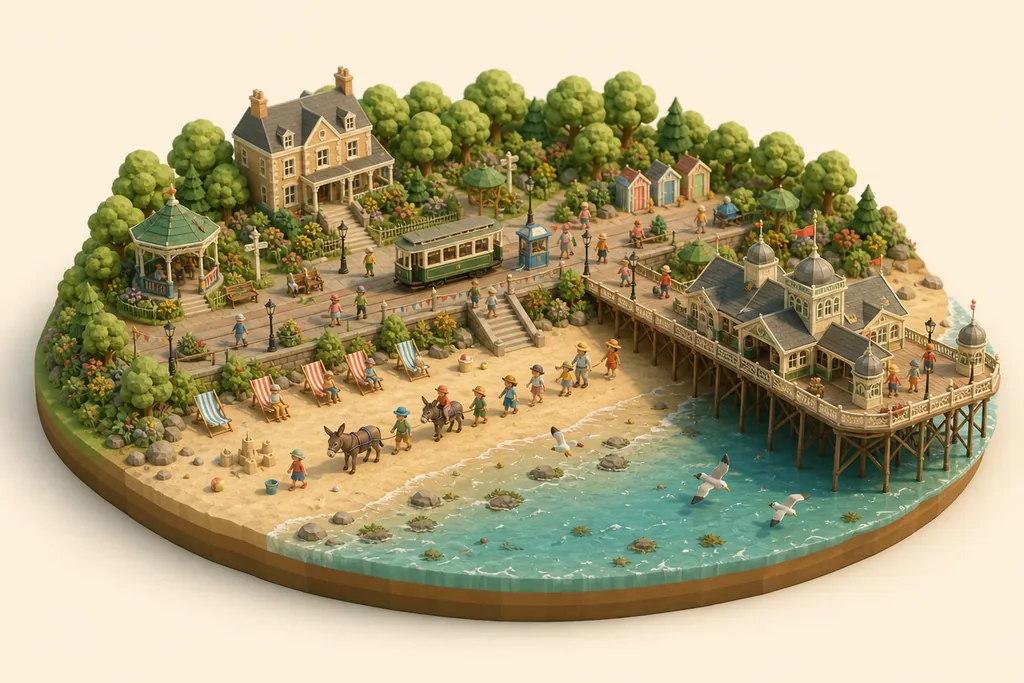
Blackpool Beach
Seven miles of sand with the famous stretch between the piers: donkeys, deckchairs, and RNLI lifeguards all summer. Free, obviously, and still the best-value thing in town.

The North West coastline runs from the Dee to Morecambe Bay and the beaches along it are wildly different jobs: one is a funfair with sand attached, one is an art installation, one is a nature reserve with a car park. Picking the wrong one for your particular children is how a beach day goes wrong. So here they are, sorted by what they are actually for.
One rule before any of them: this coast is flat, so tides travel fast and far. Check the tide times the morning you go, keep the walk out short when it is coming in, and treat the warning signs as instructions rather than decoration.
Blackpool Beach between the piers is the classic for a reason: donkeys, deckchairs, lifeguards on the central stretches all summer, and the Tower looming over the lot. It is free in a town where nothing else is, the patch by Central Pier stays dry even at high tide, and from early September the Illuminations turn the walk back to the car into the second act.
Fifteen minutes south, St Annes beach and pier does buckets, spades, a paddling pool by the bandstand and a miniature train, at about a third of Blackpool's intensity. Take 20p coins for the seafront toilets. The dunes double as windbreaks and hide-and-seek terrain, and Fairhaven Lake round the corner adds boats when the tide is wrong.
Crosby Beach is where Antony Gormley planted a hundred iron men facing the sea, and children treat them exactly as intended: something to talk to, dress in seaweed and race between. Free, ten minutes from Liverpool, with the container ships gliding past for scale. Do not follow the statues out at low water; the mud means it.
Formby is the National Trust one: red squirrels in the pinewoods, huge dunes, and a beach that feels wild rather than staffed. The catch is arithmetic, not nature: the car park is the priciest on this list for non-members and fills by mid-morning on fine weekends. Go early, or go in drizzle and have the squirrels to yourselves.
New Brighton packs a lighthouse, a fort, a marine lake and a proper seafront strip into one Wirral corner, with Liverpool's skyline across the water. It is the strongest wet-weather-backup beach on the list because the Float and the amusements sit right behind the prom.
Wirral Country Park at Thurstaston is the quiet one: a clifftop path above the Dee, a beach below for fossil hunting, and Wales across the estuary. Britain's first country park, and still one of the best places in the region to make a child feel like an explorer rather than a customer.
The Stone Jetty is not a sandcastle beach; it is a walk into the bay with bird-puzzle games set into the paving and Eric Morecambe waiting at the end for the family photo. The sunsets over the Lakes are the best free show in Lancashire. Chips on the front, statue, jetty, home.
Seven beaches, one honest ranking rule: the best beach is the one that matches your children today. Diggers and donkeys, Blackpool. A five-year-old who talks to statues, Crosby. A birdwatcher in the making, Thurstaston. And whichever you choose, the tide table is the only piece of admin that is not optional.
St Annes is the gentlest all-rounder: flat sand, a seasonal paddling pool, donkeys and a pier, without Blackpool's crowds. Blackpool Beach has RNLI lifeguards on the central stretches through summer if swimming is the plan.
On Crosby Beach, ten minutes north of Liverpool: Antony Gormley's Another Place, a hundred cast-iron figures spread along two miles of shore. Free, with parking at the leisure centre end.
For the combination of red squirrels, pinewoods and big dunes, yes, once in a while - there is nothing else like it on the coast. Formby is free for National Trust members, and arriving before mid-morning on a fine day is essential either way.
Swim where there are lifeguards: RNLI patrols cover Blackpool's Central and South beaches from late May to early September. Everywhere on this flat coast, the tide comes in fast and across a wide front, so check tide times and keep the walk out short.
Seven miles of sand with the famous stretch between the piers: donkeys, deckchairs, and RNLI lifeguards all summer. Free, obviously, and still the best-value thing in town.
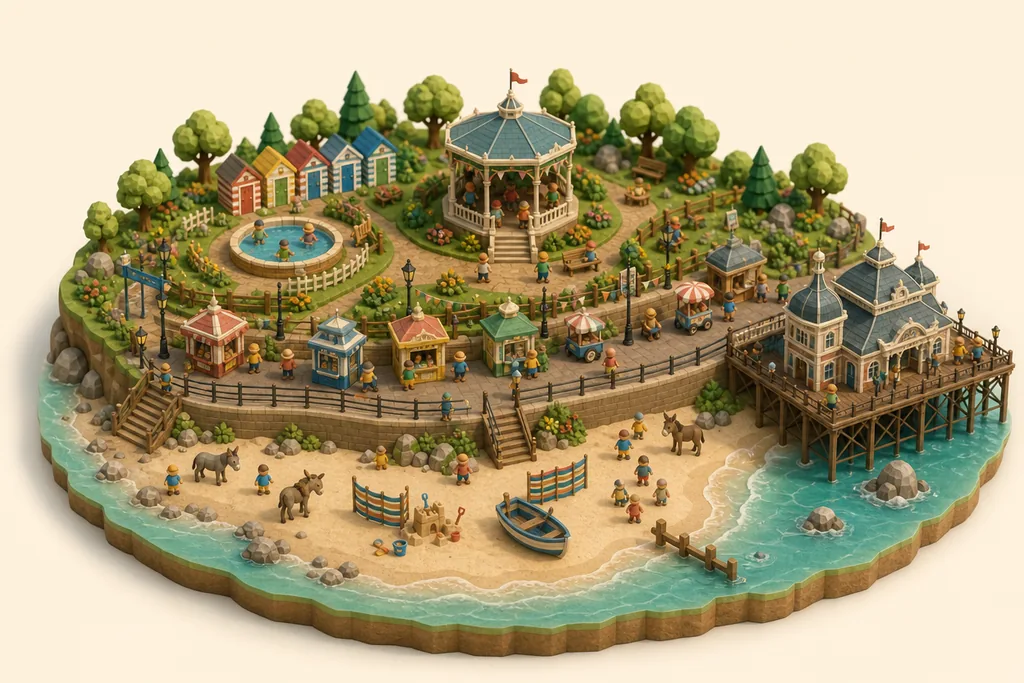
Blackpool's seaside without Blackpool's volume: a huge flat beach, a Victorian pier with arcades, donkeys in summer and a paddling pool by the bandstand. The cheap day out on the Fylde coast.
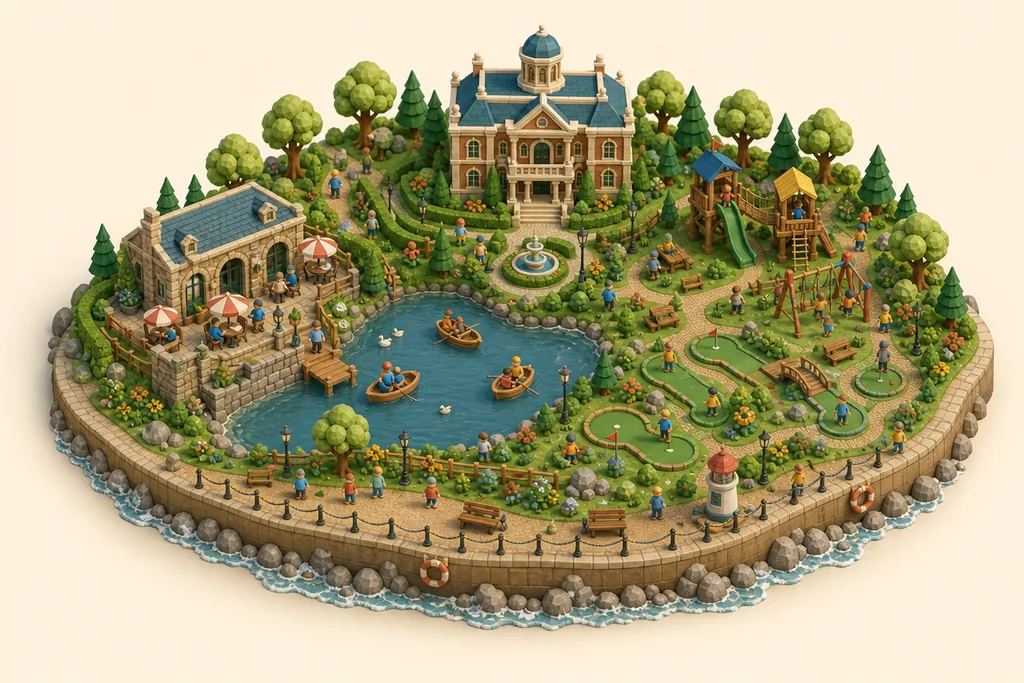
A saltwater lake with rowing boats, a playground, crazy golf and a skate park, sat between Lytham and St Annes with the estuary on the other side of the sea wall. Free to walk in, and everything fun on it costs.
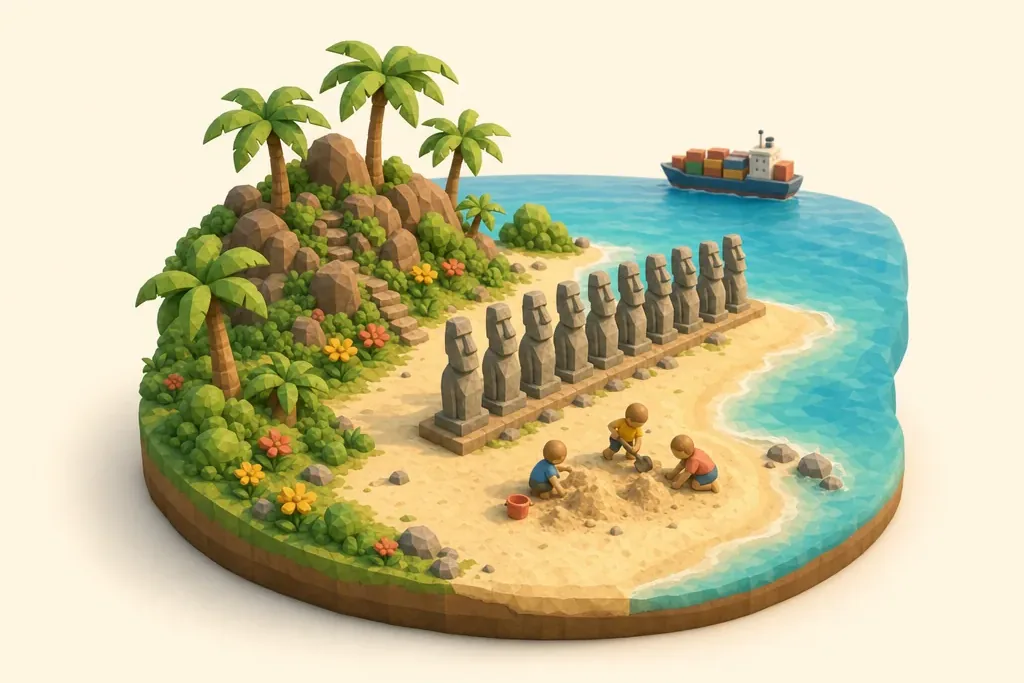
A hundred cast-iron men stare out to sea along two miles of sand - Antony Gormley's Another Place, and the strangest, most memorable free afternoon on this coast. Sand, statues, ships from the port gliding past.
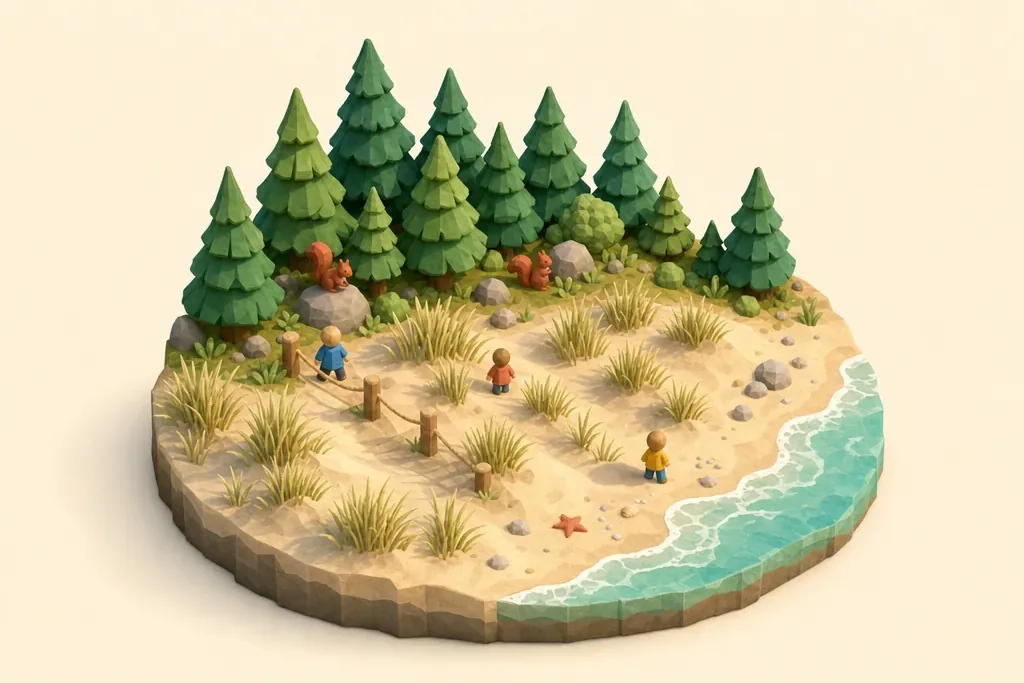
Huge sand dunes, a proper beach and red squirrels in the pinewoods behind it. The dunes alone will occupy them for an hour. Free entry if you have National Trust membership.
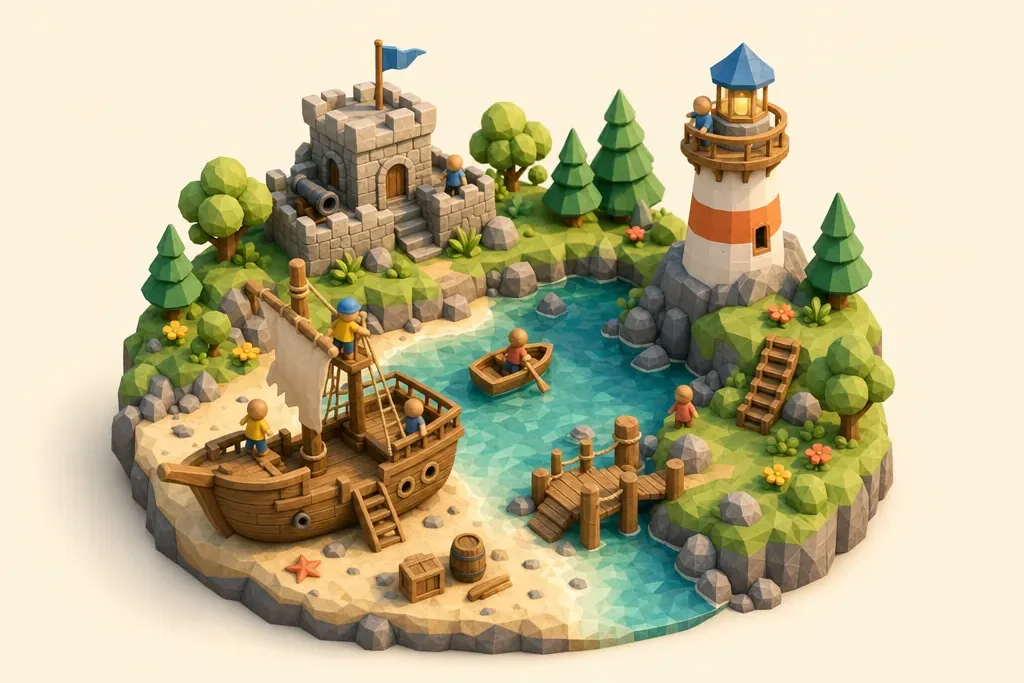
Beach, marine lake, Fort Perch Rock at the river mouth, and the driftwood Black Pearl pirate ship built from beach findings that children treat as the best playground on Merseyside. Chips on the front to finish.
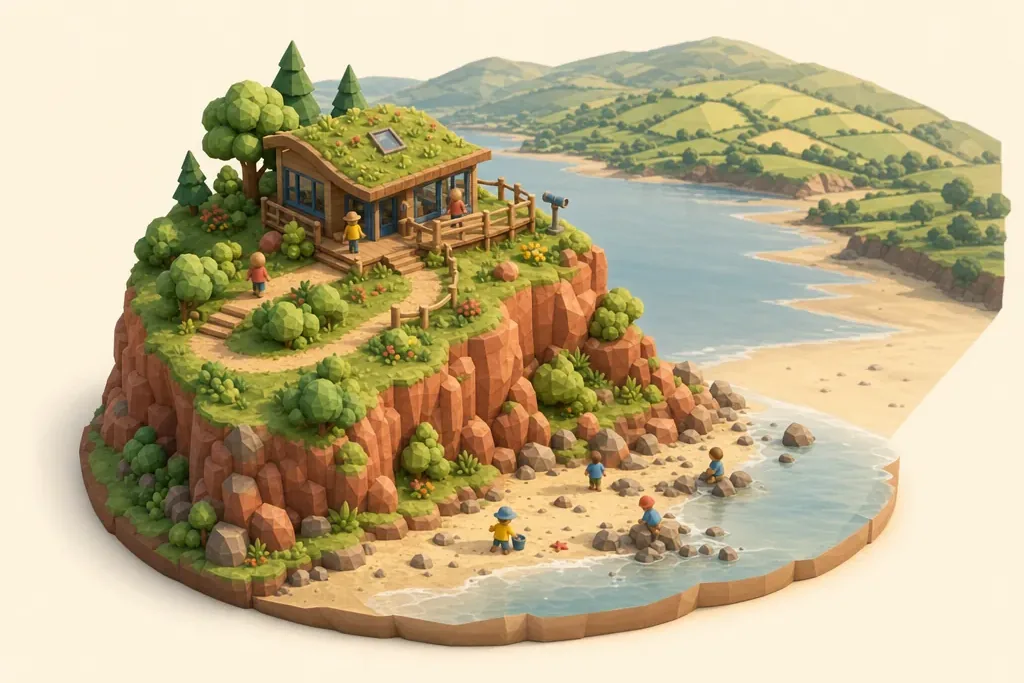
Britain's first country park: a clifftop path above the Dee, a beach for fossicking below, and a visitor centre with bird hides. Wild-feeling without being remote.
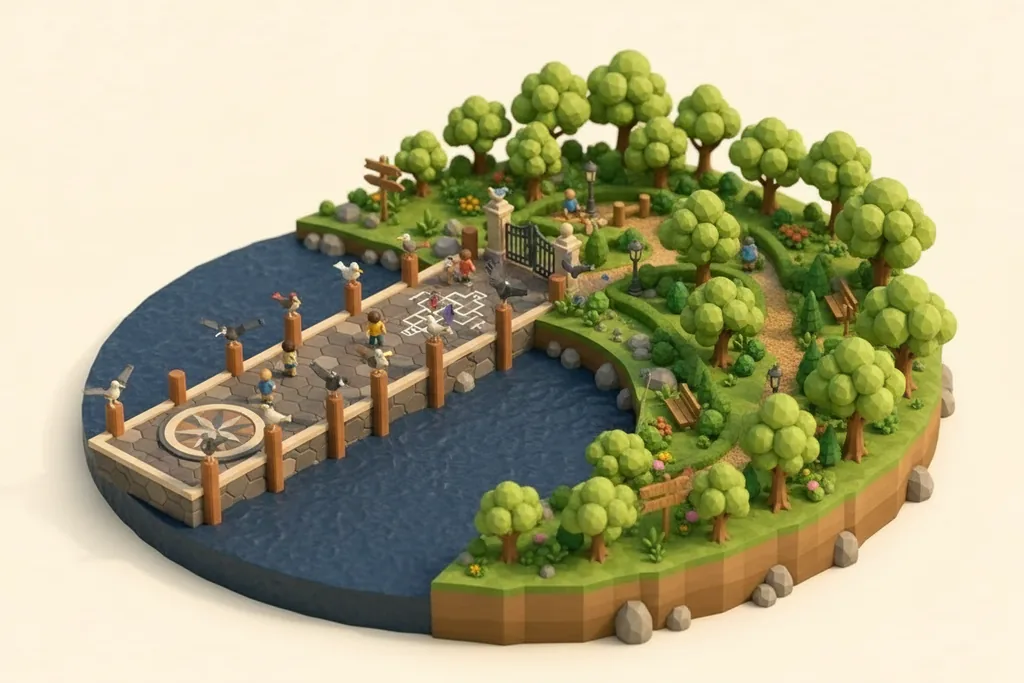
Morecambe's free seafront hour: walk the 1853 jetty past steel bird sculptures and pavement games, then get the photo at the Eric Morecambe statue on the prom. On a clear day the Lake District sits across the bay.